
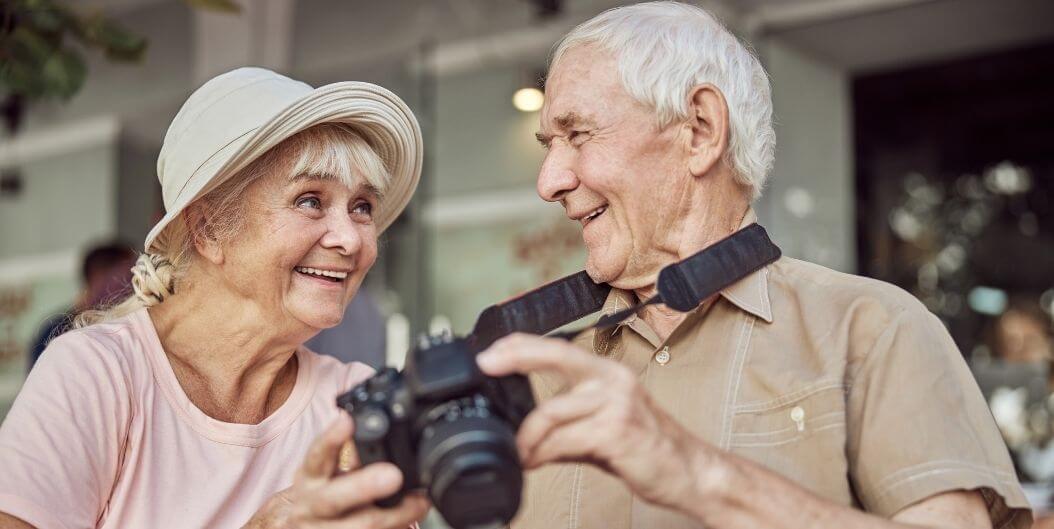
Encouraging Resident Hobbies and Creativity in Independent Living
Exploring hobbies and creative pursuits can transform your daily life in independent living communities. Engaging in activities, such as painting, gardening, music, or writing, offers more than entertainment; it stimulates your mind, supports emotional well-being, and provides opportunities for meaningful social connection.
Creative hobbies can help you maintain independence, discover new passions, and express themselves in ways that enrich both their personal lives and their community. Residents who actively engage in hobbies often report higher levels of satisfaction, improved mood, and a stronger sense of purpose. Activities that challenge the brain, like puzzles, writing, or learning a new instrument, can help maintain cognitive health, while physically engaging hobbies, like gardening or dancing, support mobility and balance.
Hobbies will also provide you opportunities for social engagement, helping you form meaningful friendships and avoid isolation. By fostering creativity, independent living communities create vibrant environments where you can feel motivated, confident, and connected. Encouraging personal expression and offering diverse activities ensures that you have fulfilling options tailored to their interests.
How Communities Foster a Culture of Creativity
Independent living communities provide the structure, resources, and encouragement that make hobbies accessible and enjoyable. Common spaces such as art studios, craft rooms, libraries, and game rooms give residents areas to pursue interests without leaving the campus.
Staff members play a vital role in fostering creativity. They organize workshops, guide new projects, and create activity calendars to ensure there are opportunities for all skill levels. Flexible scheduling allows residents to participate at their own pace, whether in group classes, workshops, or individual projects.
Beyond the physical spaces and programs, a culture of creativity thrives when communities value exploration, experimentation, and self-expression. Encouraging residents to try new things, celebrate accomplishments, and share their work with peers reinforces engagement and helps residents feel a sense of achievement.
Popular Hobbies Among Residents
You can enjoy a wide range of hobbies that engage the mind, body, and spirit. Popular categories include:
- Artistic Expression: Painting, drawing, sculpture, and photography allow residents to explore visual arts and develop personal projects that reflect their creativity.
- Crafting & DIY: Knitting, jewelry making, woodworking, and sewing provide hands-on satisfaction and tangible results, often giving you a sense of accomplishment and pride.
- Music & Performance: Choirs, playing instruments, and talent shows offer a chance to perform, collaborate, and enjoy shared entertainment.
- Mind & Strategy: Puzzles, board games, and creative writing exercises stimulate cognitive function, strategic thinking, and problem-solving.
In addition to structured classes, residents in independent living communities often create their own informal hobby groups, like book clubs, gardening teams, or art circles. These self-directed activities strengthen social bonds and allow residents to explore interests at their own pace. Encouraging variety ensures that residents can try multiple hobbies and discover new passions while staying mentally and physically active.
Benefits of Group and Collaborative Hobbies
Group hobbies strengthen social bonds and create a sense of community. You can participate in various group activities such as community gardening, group art projects, or cooking clubs. These experiences encourage teamwork, foster friendships, and motivate continued engagement.
Collaborative activities provide accountability and encouragement, which can be especially helpful for residents who may feel hesitant to try new things. Intergenerational opportunities, such as visits from local schools or volunteer programs, can add further excitement and enrichment. By integrating group hobbies into daily life, communities create both fun and meaningful social experiences.
Supporting Individual Creativity and Personal Expression
While group activities are important, supporting individual creativity is equally valuable. Communities can provide:
- Dedicated Spaces: Quiet areas for personal projects such as writing, painting, or digital design.
- Personalized Resources: Materials and tools tailored to resident preferences and abilities.
- Encouragement and Recognition: Celebrating accomplishments fosters confidence and pride.
By respecting each resident’s unique interests and allowing self-directed projects, communities encourage personal growth, creativity, and a sense of accomplishment.
Overcoming Barriers to Participation
Some independent living residents face obstacles to engaging in hobbies, including mobility limitations, cognitive changes, or lack of confidence. Communities can overcome these barriers through:
- Adaptive Equipment: Tools designed for accessibility and comfort.
- Staff Support: Assistance in participating safely and effectively.
- Inclusive Programming: Activities tailored to different skill levels and abilities.
By proactively addressing challenges, communities ensure every resident has the opportunity to participate, enjoy, and benefit from creative activities.
Incorporating Technology to Enhance Creativity
Technology can expand hobby options and facilitate creative expression. Examples include:
- Digital Art Classes: Using tablets and software for design and illustration.
- Virtual Workshops: Online tutorials for crafts, music, or learning new skills.
- Video Connections: Virtual events that allow residents to share work and connect with family.
These tools broaden access, encourage learning, and help residents stay connected with their communities and families, even from a distance.
Encouraging Lifelong Learning Through Hobbies
Hobbies offer a natural path for continuous learning. Residents can:
- Explore New Interests: Trying diverse activities encourages discovery and growth.
- Set Personal Goals: Achieving milestones in hobbies provides motivation and accomplishment.
- Share Knowledge: Teaching or collaborating with peers fosters a culture of mutual learning.
Lifelong learning through hobbies supports mental sharpness, personal satisfaction, and social engagement, reinforcing the benefits of a vibrant independent living lifestyle.
Tired of Daily Living Chores and Ready to Truly Live Your Golden Years? See How Asher Point Independent Living of Tyler Will Support Your Hobbies and Creativity
At Asher Point Independent Living of Tyler, you can enjoy a wide variety of programs and amenities designed to foster hobbies and creative pursuits. From art studios and craft rooms to game areas, libraries, and community gardens, every interest has a space to flourish. Scheduled workshops, events, and personalized support ensure you can explore your passion at your own pace.
To experience how hobbies and creativity are encouraged firsthand, schedule a tour at Asher Point and see how the independent living environment supports meaningful, engaging, and joyful retirement years.